How Much Can You Actually Raise Your Credit Score? (And How Long Does It Take)

⚡ The Quick Answer
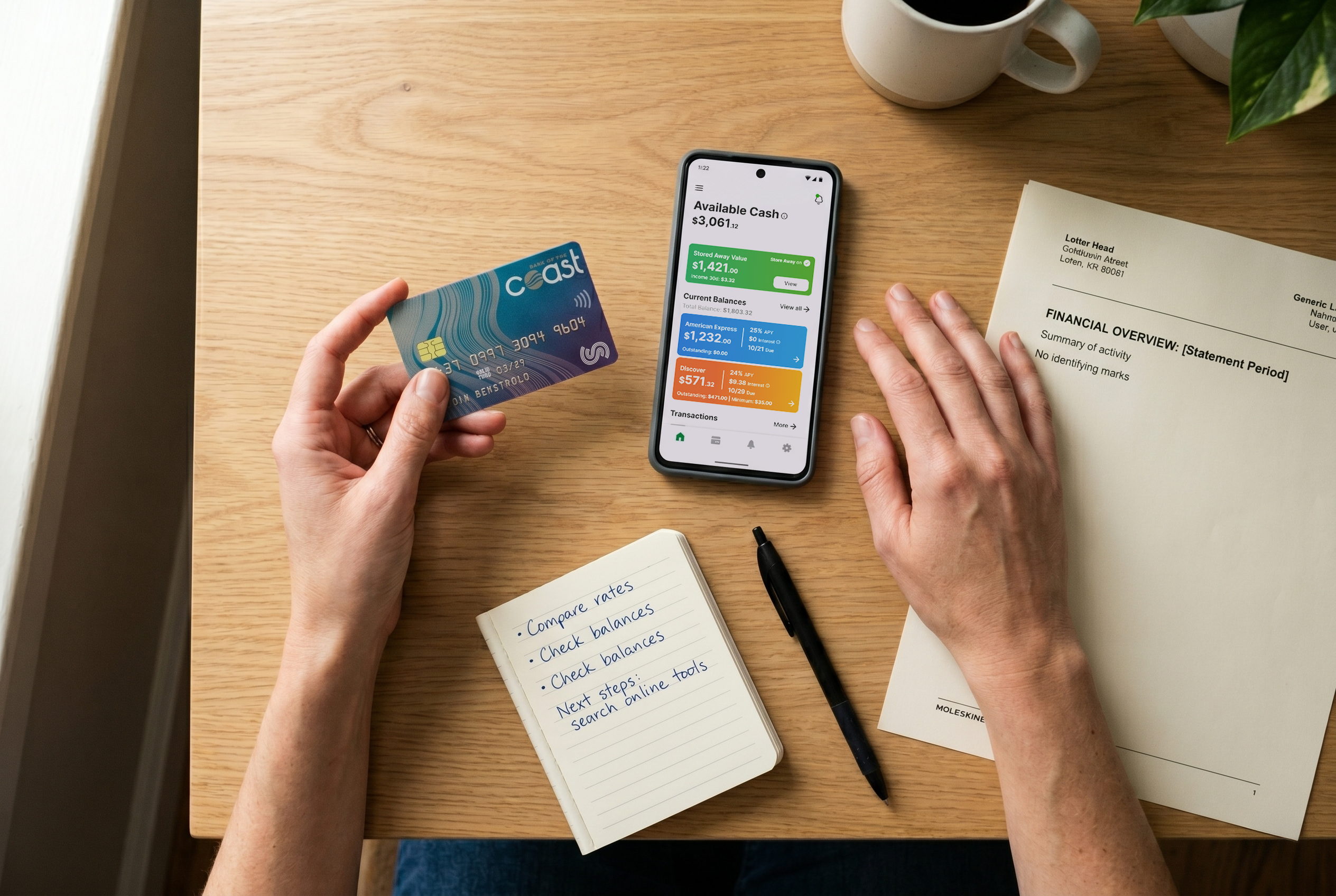
How fast you can raise your credit score depends heavily on where you start. For many consumers in the 500–600 range, consistent positive activity over 60–90 days can produce meaningful movement. What drives the score most, payment history and credit utilization, together account for roughly 65% of a FICO score. Here is what the timeline actually looks like for different starting points, and what you can control right now.
If you are skeptical that credit improvement is real or worth the effort, that skepticism is reasonable. Credit scores can feel opaque, and a lot of the advice online skips the math. This article does not skip the math.
The question "how fast can you raise your credit score" does not have one answer. It has several, depending on where you are starting from, which negative factors are on your file, and what actions you take. Below is a breakdown by starting score range, the factors that drive the most movement in the shortest time, and a concrete 90-day action plan grounded in how scoring models actually work.
How Credit Scores Are Calculated: The 5 Factors
FICO scores, the most widely used scoring model in U.S. credit decisions, are built from five factors. Each carries a different weight, and understanding those weights is the foundation for knowing where to focus first.
| Factor | FICO Weight | What It Measures | How Quickly It Moves |
|---|---|---|---|
| Payment history | 35% | On-time vs. late payments across all accounts | Adds positive data monthly; past lates fade slowly over years |
| Credit utilization | 30% | Revolving balances as a percentage of total credit limits | Can move in a single billing cycle when balances are paid down |
| Length of credit history | 15% | Age of oldest account, newest account, and average age | Slow, measured in years, not months |
| Credit mix | 10% | Variety of account types: revolving, installment, mortgage | Improves when a new account type is added and begins reporting |
| New credit | 10% | Recent hard inquiries and newly opened accounts | Hard inquiries fade within 12 months; impact is small but real |
The CFPB describes these same five categories as the core inputs to most major scoring models. Two of them, payment history and utilization, together account for roughly 65% of a FICO score. This is not a small detail. It means that for most people, the fastest path to score improvement runs through exactly two things: paying on time and reducing revolving balances.
What Actually Moves the Needle Fastest
Payment history is the single largest factor in a FICO score at 35%. Every on-time payment made on a reporting account adds a positive data point to your file that month. Missed payments work in reverse: a single 30-day late payment can lower a score significantly, and the mark stays on the report for up to seven years, though its impact diminishes over time as positive activity accumulates.
Credit utilization at 30% is the fastest-moving factor. Unlike payment history, which builds incrementally, utilization is recalculated every time your balances are reported to the bureaus. If you have a revolving account with a $1,000 limit and a $750 balance, 75% utilization, paying that balance down to $100 can produce a score jump in a single billing cycle. Most scoring guidance targets utilization below 30%, with under 10% being optimal for the highest scores.
Together, these two factors explain why credit improvement efforts that focus on anything else first, disputing minor inaccuracies, opening new accounts for mix, waiting for hard inquiries to age off, often feel slow. The leverage is in payment history and utilization.
Realistic Timelines by Starting Score Range
The math of credit improvement is not the same for everyone. A consumer starting at 480 faces a different path than someone starting at 615. Here is what the research and user data suggest is realistic for each range, qualified throughout, because individual results vary based on the specific negative marks on a file, account age, and credit mix.
Starting score: under 500 (FICO: Poor range)
A score below 500 typically reflects multiple significant negative marks: collections, charge-offs, a bankruptcy, or a combination of late payments across accounts. The good news is that scores in this range can improve, sometimes substantially, because there is more room to move and because new positive activity stands out against a thin positive history.
Realistic expectation: 60–90 days of on-time payments on one or more reporting accounts may produce a 20–40 point improvement for some consumers in this range. Larger improvements take longer and depend on whether negative items are aging off the report and whether utilization is being addressed simultaneously.
Starting score: 500 to 600 (FICO: Poor to Fair range)
This is the range where many people searching "how fast can you raise your credit score" are actually starting. A score in this band often reflects a mix of negative history and limited positive activity, not necessarily catastrophic damage, but a file that has not been actively tended.
Realistic expectation: consistent positive payment activity over 60–90 days can produce meaningful movement for many consumers in this range, particularly if utilization is also being addressed. Improvement of 40–70 points over 3–6 months is within range for some consumers, depending on the starting file. Individual results vary significantly.
To make this concrete: Bolster credit builder subscribers saw an average score increase of 102 points, on average. Based on Bolster users who bought credit builder and had two or more report pulls between 2/1/2025 and 6/1/2025. Results vary. A consumer starting at 540 who sees improvement in that general range could potentially move into the Fair category (580–669) and begin approaching a range some landlords and lenders may consider favorable.
Starting score: 600 to 650 (FICO: Fair range)
A score in this range is closer to the threshold where more financial products become accessible, many auto lenders, credit card issuers, and landlords work with scores in this band, though terms may not be favorable. The path from here to Good (670+) is often less about damage control and more about consistent behavior over time.
Realistic expectation: consumers in this range who maintain on-time payments, keep utilization low, and add positive account activity can potentially reach the Good range within 6–12 months, for many people. The jump from Fair to Good is meaningful in practical terms: it can unlock better interest rates, higher credit limits, and more standard rental approvals.
What You Cannot Control on a Short Timeline
Honest credit guidance includes this part. Some factors simply do not move quickly, regardless of what actions you take.
- Hard inquiries. A hard pull from a credit application stays on your report for two years, though FICO only counts it against your score for 12 months. One or two inquiries have a small impact, typically under 5 points each, but multiple hard pulls in a short window signal risk to scoring models. You cannot accelerate the aging of an inquiry.
- Age of credit history. The age of your oldest account, newest account, and average account age all contribute to the 15% length-of-history factor. Opening new accounts lowers your average account age. Closing old accounts can remove positive history. Neither effect reverses quickly. Time is the only input here.
- Accurate derogatory marks. A legitimate late payment, collection, or charge-off stays on your credit report for up to seven years from the date of first delinquency. These marks do diminish in scoring impact over time, but they cannot be removed before their reporting window expires if the information is accurate. Anyone who claims otherwise is describing a service Bolster does not provide and that regulators scrutinize closely.
- Bankruptcy. A Chapter 7 bankruptcy stays on a credit report for up to 10 years. A Chapter 13 stays for up to 7 years. Rebuilding after bankruptcy is possible for many people, it requires the same tools as any rebuild, but the timeline is measured in years, not months.
Knowing what is not in your control in the short term helps focus effort on what is: payment history, utilization, and adding new positive accounts to the file.
A Simple 90-Day Action Plan
This plan is not a guarantee of any specific outcome. Credit improvement depends on the individual file. What it is: a concrete, sequenced set of actions that addresses the two highest-leverage factors, payment history and utilization, within the first billing cycle and keeps positive momentum building through 90 days.
Week 1: Know your baseline
- Pull free reports from all three bureaus at AnnualCreditReport.com (free weekly access).
- Review each report for errors: accounts you do not recognize, payments marked late that were on time, balances that appear incorrect.
- If errors exist, consumers generally have the right to dispute them directly with the bureau. The CFPB outlines the process at cfpb.gov.
- Note your current score from a free monitoring app, this is your baseline for measuring progress.
Week 2: Address utilization if applicable
- If you have any revolving accounts with balances above 30% of their limits, paying those balances down is the fastest single lever available to most people.
- Even a partial paydown can move utilization enough to affect the score at the next reporting cycle.
- If you have no existing revolving accounts, this step does not apply, focus moves directly to adding a reporting account.
Week 2–3: Open a reporting account
- If you have no accounts currently reporting positive payment history, opening one is the next step. A credit builder account is one option; a secured card is another.
- Bolster reports to the major credit bureaus on a regular reporting cycle. Bureau update timing varies, and individual results depend on each bureau's processing schedule.
- There is no hard pull on the Bolster application, opening an account does not create an inquiry that could lower your score.
Days 30–90: Execute and track
- Make every payment on every account on time. Set calendar reminders or autopay for every due date. One missed payment in this window negates weeks of positive activity.
- Keep any revolving balances low. If you are using a secured card for small purchases, pay the full balance each cycle.
- Check your score monthly, not weekly. Scores fluctuate with each reporting cycle; weekly checking creates noise. Monthly is the right cadence for tracking direction.
- By day 90, most consumers who have followed these steps consistently will see movement in their score, the degree varies based on starting point and file complexity.
How Bolster Approaches This Topic
Bolster's guidance on credit score timelines is grounded in FICO's published methodology, CFPB consumer education resources, and data from our own subscriber base. We do not publish timelines without qualifiers, and we do not claim our product guarantees any specific outcome for any individual user. The 102-point average figure cited in this article is based on Bolster's own subscriber data with the methodology disclosed. Not every user will see that result, improvement depends on starting score, file composition, and consistent use of the product. We present ranges and averages because that is what the data supports.
Frequently Asked Questions
How fast can you raise your credit score 100 points?
A 100-point increase is possible for many consumers, but the timeline varies significantly by starting score and file composition. Consumers in the 500–600 range who add consistent positive payment history and manage utilization may see improvement of that magnitude over several months, for some people. There is no timeline that applies universally.
How long does it take to raise a credit score from 500 to 700?
Moving from 500 to 700 represents a shift from the Poor range to Good, a meaningful jump that typically takes 12–24 months of consistent positive activity for many consumers. The speed depends on whether negative marks are aging off, whether utilization is being managed, and how many positive accounts are actively reporting. There is no guaranteed timeline for any individual.
What is the fastest way to raise your credit score?
The two highest-leverage actions available to most consumers are paying down revolving balances (which can affect the utilization factor within a single billing cycle) and adding a reporting account to begin building payment history. Payment history and utilization together account for roughly 65% of a FICO score. Addressing both simultaneously is the most direct path for many people.
How much does a credit builder account raise your score?
Results vary by consumer and file composition. A credit builder account adds positive payment history to your file over time; the impact on your individual score depends on your starting point and overall credit profile.
Does checking your own credit score lower it?
No. Checking your own credit score or pulling your own credit report is a soft inquiry and does not affect your score. Only hard inquiries, which occur when a lender or creditor pulls your credit as part of an application decision, have the potential to lower your score, and that impact is typically small and fades within 12 months.
Bottom Line
How fast you can raise your credit score depends on where you start and which factors are dragging it down. Payment history and utilization are the two highest-leverage inputs, together accounting for roughly 65% of a FICO score. For many consumers in the 500–650 range, consistent positive activity over 60–90 days can produce meaningful movement, though no outcome is guaranteed and results vary based on the individual file.
Best for consumers under 500: Focus on adding one reporting account and making every payment on time. Expect slower movement while derogatory marks are still recent.
Best for consumers 500–600: Address utilization first if any revolving balances are high, then add a credit builder account to start building payment history. This range can move meaningfully in 60–90 days for many people.
Best for consumers 600–650: Consistent behavior over 6–12 months can potentially reach the Good range (670+) for many consumers. Adding a credit builder account alongside any existing accounts strengthens the payment history factor.
Best for thin-file consumers: Bolster does not perform a hard credit inquiry on application.
Download Bolster and Start Building